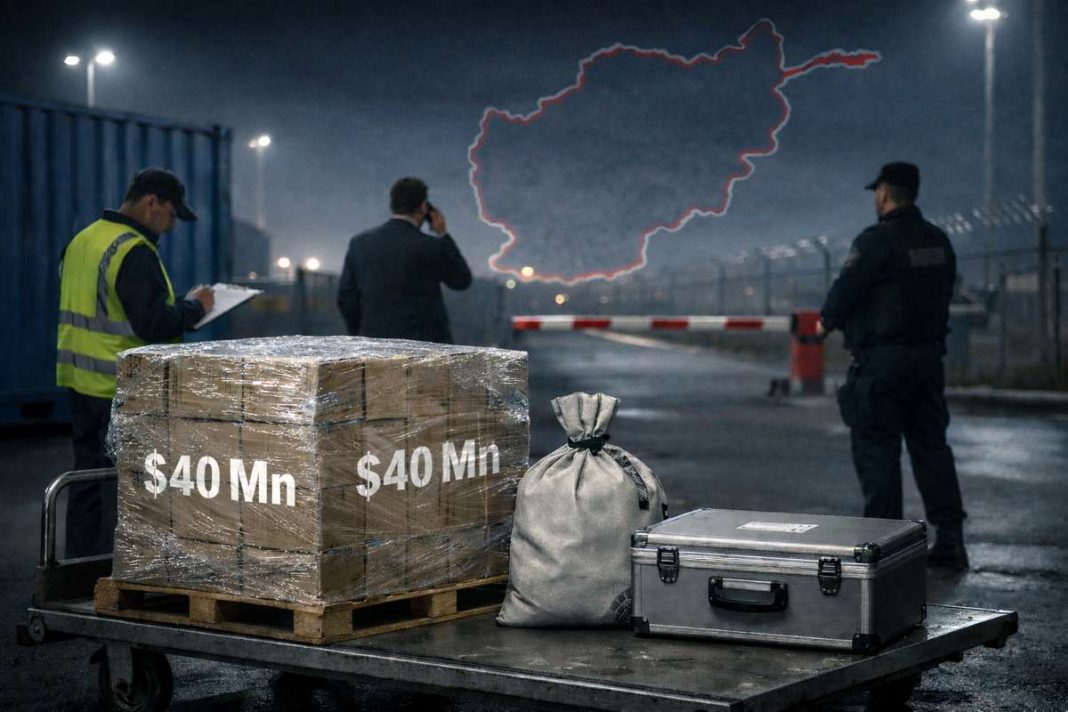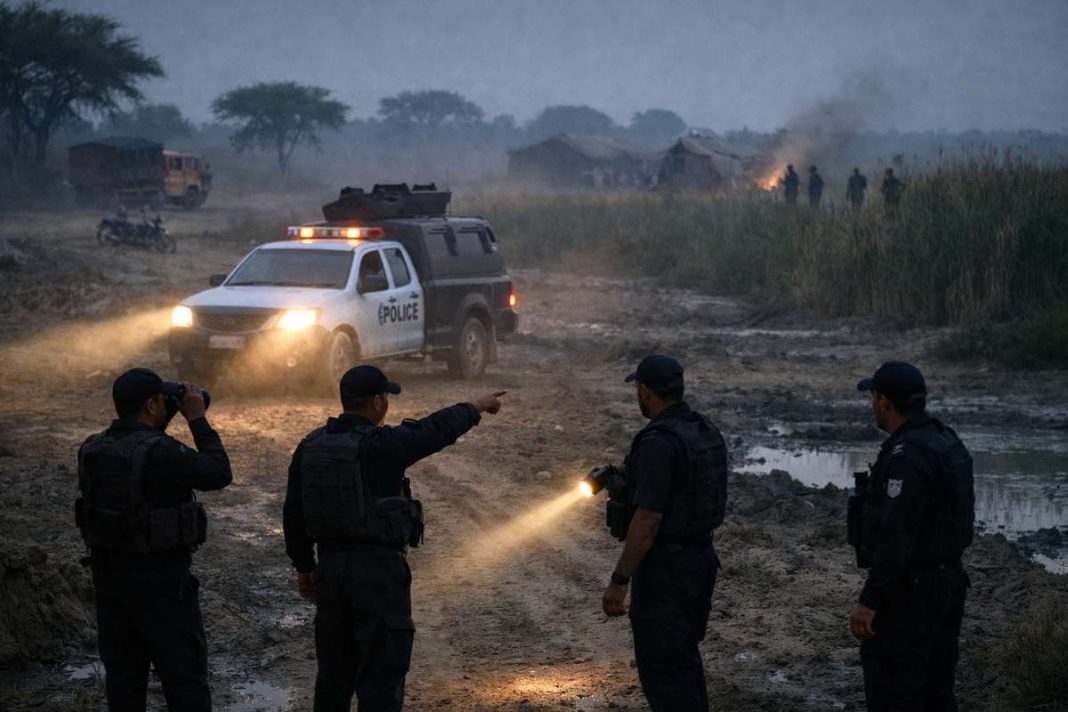
Pakistan’s “ransom industry” has become an informal economy of abduction, extortion, and negotiated release that survives because the state has allowed it to survive. The Kacha belt deserves immediate attention because it now functions like a repeatable business model, a place where armed gangs sell fear at retail prices, and the government too often purchases time with announcements.
Over the past few years, reporting has described the same recurring pattern: gangs operate from rugged terrain, cross district and provincial boundaries with ease, and punish any lull in pressure with a high-visibility kidnapping or highway strike. Dawn’s detailed reporting depicts networks that look less like scattered bandits and more like structured outfits that dig defenses, build barriers, and adapt tactically when police deploy armored vehicles or drones.
The uncomfortable point, and the one Pakistan’s leaders keep sidestepping, is that Kacha represents an old failure, not a new crisis. A May 2024 report in The News, while describing police “pickets” and recent countermeasures, also places the modern Kacha problem’s acceleration in the late 1980s, linking it to the post-Afghan-war spread of weapons and the rise of kidnapping for ransom as a durable criminal enterprise. It also notes older roots in riverine settlement patterns along the Indus, suggesting the governance challenge predates today’s headlines, even if today’s violence appears sharper.
That long arc matters because it destroys the favorite alibi of every administration: that the problem erupted “suddenly,” or that a single “grand operation” will finish it. Even the evolution that human rights observers describe signals a decades-long learning curve for criminals. In a Dawn report, HRCP’s Asad Khoso draws a line between the 1990s, when gangs targeted highways and wealthier victims, and today’s broader, more indiscriminate kidnapping and extortion that now reaches women, children, the poor, and minorities.
In recent months and years, Kacha’s playbook has modernized without becoming sophisticated in any admirable sense. The “honey trap” method, described in official briefings and reporting, lures victims through fake deals and online contact, then drags them into riverine hideouts. Police claims about foiled attempts and rescued victims appear in multiple reports.
Still, the core fact remains: the business model keeps recruiting customers because the market believes the state cannot guarantee safety.
Kacha also threatens mobility, not only individual safety. When gangs stop vehicles and seize passengers, they send a message larger than the ransom itself: they can interrupt commerce at will. A September 2025 Dawn report on the M-5 incident describes how assailants fired on vehicles to force stops near an interchange, kidnapped passengers, and disrupted traffic for hours before authorities recovered the hostages in a joint operation. The same report notes repeated targeting of the motorway and describes police resorting to convoy-style movement after earlier incidents. That is not “law and order,” it is a workaround economy.
So who are the Kacha actors, beyond the generic label of “dacoits”? Credible reporting describes multiple layers: gunmen in the belt, facilitators in settled areas, and local power structures that influence whether police can hold territory after an operation. Dawn’s reporting points to politically motivated postings and transfers that weaken continuity, and to corruption risks in which compromised officials leak information and sabotage operations. These are not exotic explanations. They are mundane incentives, which makes them more damning.
The more complicated question is whether Kacha remains “only” a criminal problem or intersects with militancy.
Here, evidence often comes through official claims, which readers should treat as claims, not courtroom verdicts. Still, those claims matter because they shape policy and reflect what law enforcement says it sees. In April 2023, The Express Tribune quoted Punjab’s police leadership saying the Counter Terrorism Department linked calls in the operational area to the TTP, and it described police concerns about collaboration with a banned outfit. The next day, The News similarly reported official statements that law enforcement “found presence” of terrorists from banned outfits during operations in the Kacha areas.
A careful reading points to a hardening reality: the Kacha belt may not merely coexist with terrorism, it may actively enable it. Ungoverned riverine corridors offer what violent networks value most: sanctuary, mobility, and concealment. Weapons flows, communications links, and logistical support can move through the same channels that sustain kidnapping and extortion, which makes the line between “dacoit economy” and militant infrastructure increasingly thin.
This risk becomes more serious when the operational features start to resemble organized militancy. Fortified hideouts, coordinated attacks on police, the use of heavy weapons, and the ability to shift across district and provincial boundaries suggest more than opportunistic crime. Even where evidence remains contested in specific incidents, the prudent conclusion is clear: the state must treat the Kacha belt as a national security vulnerability with potential terrorism linkages, and respond with investigations and prosecutions designed to expose and dismantle any such networks.
If Kacha looks like a pimple, Pakistan should remember what happens when an ignored infection spreads. A pimple that leadership refuses to treat does not stay polite. It can become a wound, then rot, then gangrene. The sarcasm writes itself: officials often arrive after the damage, issue the right words, and then leave the same incentives intact. The criminals understand the rhythm. They wait for attention to fade, then reassert control, sometimes with a spectacle designed for social media and to leverage bargaining power.
Recent Sindh government statements show greater urgency, including references to an “offensive” strategy, technology-driven operations, and sustained coordination. A Dawn report from August 2025 details targeted and search operations, arrests, and “neutralised” outlaws across key riverine districts. It also describes proposed measures, such as extended internet suspensions in affected areas and efforts to block social media accounts used by outlaws. Numbers can indicate activity, but they do not automatically prove lasting governance. The question is whether the state can hold cleared ground, protect witnesses, and keep prosecutions moving after the press conference.
Another Dawn report from September 2025 quotes Chief Minister Murad Ali Shah calling the “elimination” of Kacha dacoits “non-negotiable,” and it frames floods as a moment when outlaws lose their terrain advantage. That is a tactical insight, but tactics do not substitute for finality. Finality requires a system that keeps working after the last drone strike and the last headline.
In Kacha, finality has three practical parts.
First, persistent presence: fortified bases, protected roads, and a policing posture that does not dissolve after transfers and political bargaining. Second, prosecution capacity: credible investigations, evidence chains that survive court scrutiny, witness protection, and a refusal to treat every case as a “deal” to end public anger. Third, dismantling the facilitation layer: financiers, informants, brokers, and local patrons who make the belt profitable. Without that, “operations” become seasonal theater, and criminals treat them as a cost of doing business.
Pakistan should not wait for tomorrow to act with finality. The good time was yesterday. The next best time is today, before the ransom economy further normalizes the idea that citizens must repurchase their way from lawlessness.