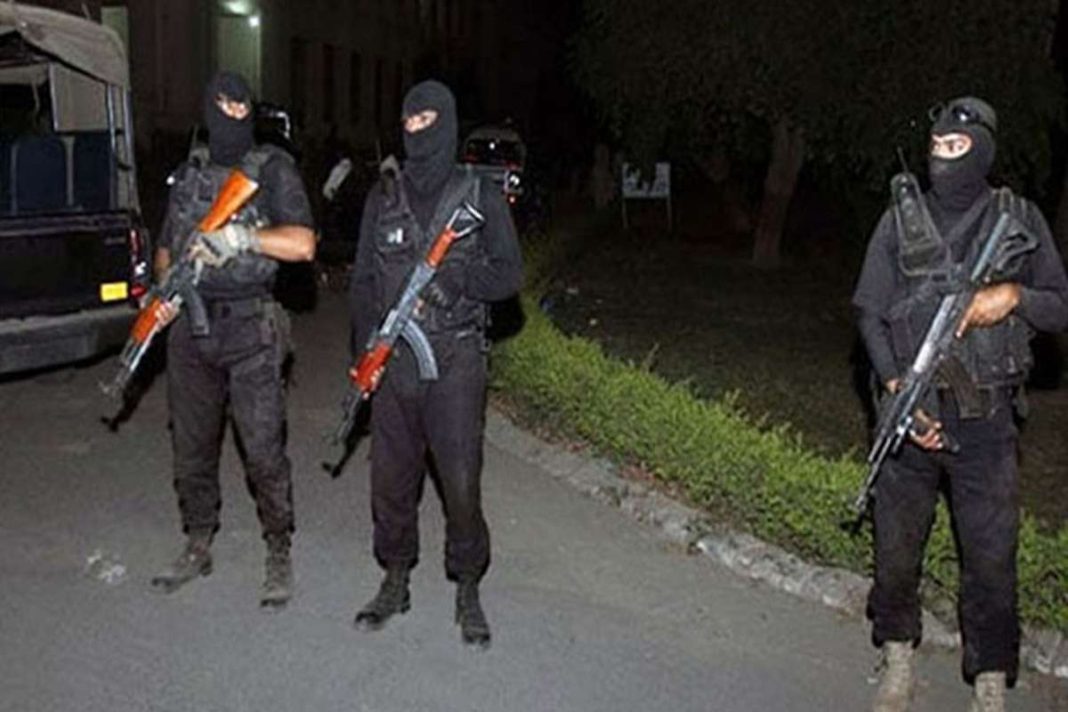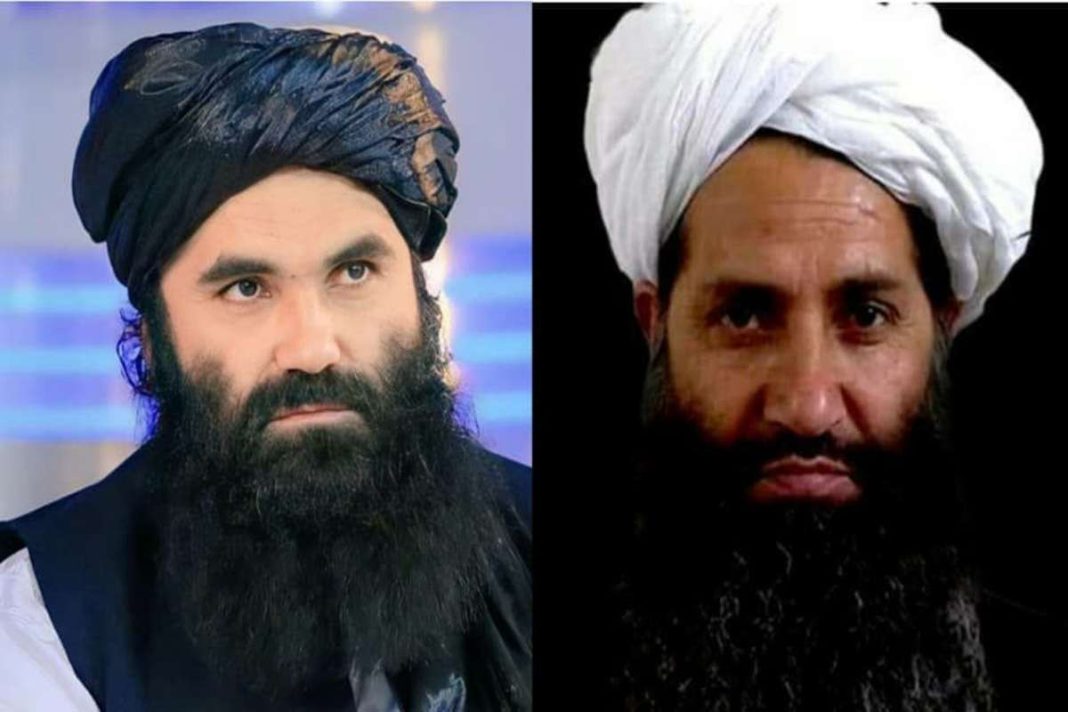
In late November 2025, a deadly cross-border strike shattered the illusion of stability in Afghanistan. A homemade quadcopter armed with explosives attacked a Chinese-run gold mine on the Afghan–Tajik border, killing three Chinese engineers. Tajik authorities immediately blamed “criminal groups located in the neighboring country” and urged Kabul to “ensure stability and security along the border.” Kabul’s Taliban regime denounced the attack but blamed shadowy “circles” aiming to sow regional distrust.
This incident came just days after the US saw its own alarm bells ringing – two National Guard soldiers were ambushed in Washington, D.C. by an Afghan immigrant allegedly in touch with groups operating out of Afghanistan.
Together, these events underline a sharp contradiction. While the Taliban officially promised not to allow Afghan soil to be used for attacks on other countries, violence has surged not just in Pakistan but also across the broader region.
From Assurance to Alarm
When the Taliban swept into Kabul in August 2021, they presented themselves as a purified force that would end years of war and extremism. Taliban spokesman Suhail Shaheen told Pakistan’s Hum News in August 2021: “The Taliban won’t allow anyone to use Afghanistan’s soil against any other country.” This pledge echoed the 2020 Doha Agreement with the United States, which required the Taliban to bar terrorist groups from Afghan territory. Regional powers took note: Qatar and other mediators helped secure Taliban commitments to counter-terrorism cooperation. Yet the ground reality soon diverged from these assurances.
In Islamabad, officials say attacks by Afghan-linked militants have only intensified since 2021.
Pakistan’s Deputy Prime Minister and Foreign Minister Ishaq Dar recently told reporters that “we have already lifted the coffins of 4,000 martyrs, while 20,000 have been injured” in terrorism-related incidents since the Taliban takeover. He emphasized that Pakistan has traced these attacks back to militants operating from across the border.
These figures – echoed in Pakistan’s security briefs – signal a grim uptick in cross-border violence. Pakistani military sources report that Tehrik-i-Taliban Pakistan (TTP) fighters have relocated to Afghan border regions, launching bombings and ambushes inside Pakistan in 2023 that killed nearly 1,000 Pakistanis (about half of them security troops). Islamabad thus warns that Afghan territory has become a launchpad for militants.
To Pakistan’s critics, this reality is “not abstract – it is lived reality,” as one South Asia analyst put it in the Asia Times. Pakistan’s foreign office has formally demanded that “Afghanistan must not allow its territory to be used against Pakistan,” even threatening force if necessary. Islamabad’s red lines – echoed by Foreign Minister Dar in diplomatic talks – recall the Taliban’s own statement.
But the Taliban’s cold response has so far been a mix of denials and platitudes.
On the attack inside Tajikistan, they lamented an anti-China “conspiracy” and promised cooperation with Dushanbe. While on attacks inside Pakistan, they often insist the TTP is an “internal” Pakistani matter. The gulf between Taliban assurances and on-the-ground events has left Pakistan and its neighbors alarmed.
Taliban Ties and Terror Enablers
How has this happened?
Multiple reports now detail how elements within the Taliban’s power structure have given sanctuary, and even material support, to extremist groups. A broad consensus has emerged in intelligence assessments: the Taliban regime has not cracked down on the TTP and allied militants. According to Asia Times, “TTP fighters based in Afghanistan have intensified attacks inside Pakistan since 2021… [and] the Taliban regime continues to host, shield and enable TTP and other groups.” In other words, the much-publicized Taliban promise of “no sanctuary” for foreign militants appears to have “evaporated entirely.”
Officials and analysts point to ideological affinity: many Taliban are former comrades or relatives of Pakistani Taliban members. After the war, tens of thousands of ex-fighters found themselves jobless and joined the TTP’s ranks.
High-level statements from Islamabad underscore these ties.
In late 2023, Pakistan’s caretaker premier Anwaar-ul-Haq Kakar openly accused the Taliban leadership of “supporting the anti-Pakistan insurgency of [the] Tehreek-e-Taliban Pakistan,” linking it to a surge in Pakistani casualties. Kakar said he had “clear evidence” of the Taliban “enabling terrorism by the TTP” and revealed that thousands of Pakistanis (civilians and soldiers) had died since Kabul’s takeover. Pakistan’s special envoy to Afghanistan similarly warned that “peace in Afghanistan, in fact, has become a nightmare for Pakistan.” These blunt comments mark a departure from Pakistan’s earlier hedging; Islamabad now flatly contends that Taliban elements are abetting the TTP.
Supporting these claims, a January 2024 VOA report noted that Pakistani officials say the TTP has moved its base into Afghan border provinces since 2021, operating with “greater operational freedom.” Islamabad was meeting with Taliban delegates (led by Kandahar’s governor, Mullah Shirin) in the Joint Coordination Committee, but Pakistani sources remained skeptical. Taliban spokesmen insist there is no connection to attacks on other countries, and accuse Pakistan of blurring its own internal problems.
Yet Pakistani investigators continue to produce evidence: as one senior official put it, “Evidence about the crackdown on [TTP] is not visible.” In fact, Islamabad alleges Afghan Taliban fighters have even participated in or facilitated recent attacks by the TTP. Outgoing caretaker Prime Minister Kakar claimed at least 16 Afghan nationals were among the suicide bombers inside Pakistan, and dozens of Afghan fighters have been killed in Pakistani counterterror raids.
The picture from international monitors reinforces this view. The US State Department’s latest terrorism report notes that while the Taliban reiterate their counterterror commitments, “Al-Qaeda, ISIS-K, TTP, and other terrorist groups remained present in Afghanistan.” UN experts similarly warn that the Taliban have created a permissive environment for such groups. For example, a recent UN panel report reveals multiple new training camps in southern Afghanistan used jointly by Al‑Qaeda and the TTP. It estimates the TTP’s strength at about 6,000 fighters and says the Taliban provide “strong logistical and operational support” to them. These Taliban-allied camps even host the Baloch Liberation Army (BLA), indicating a nexus between Pakistani Islamist and separatist militants. Kabul’s denials aside, Washington and the UN are warning that al‑Qaeda’s Arab cadres are regaining strength in several provinces, and ISIS-Khorasan (ISIS-K) is explicitly cited as “the most serious threat” emanating from Afghanistan.
Militant Ecosystem on Afghan Soil
Afghanistan has become a cauldron for militants of many stripes.
According to UN and US sources, virtually all the region’s major terrorist groups now have a presence there. Islamic State Khorasan (ISIS-K) is one of the largest and deadliest actors in Afghanistan today, with roughly 2,000 fighters and active recruitment and training, particularly in the north and near the Pakistani border. Al‑Qaeda remains on the ground, reportedly running camps in Helmand, Kandahar, Kunar, Uruzgan, and Zabul provinces. Al‑Qaeda in the Indian Subcontinent (AQIS) is also present, given AQ’s broader networks. Importantly, TTP insurgents are explicitly sheltered there: the Taliban even invited foreign fighters from Syria (some linked to AQ) and Uyghur (East Turkestan Islamic Movement) into northern Afghanistan in late 2024.
Beyond these marquee names, a wide array of militants operate in Afghanistan.
Regional jihadists such as the Islamic Movement of Uzbekistan (IMU), fighters of the Khatiba Imam al-Bukhari, and other groups that fought in Syria have been reported relocating to Afghanistan.
In southwest Afghanistan, Baloch insurgents like the Majeed Brigade of the BLA coordinate with TTP in shared camps. Even elements of Lashkar-e-Jhangvi – a group that once roamed Pakistani borderlands – have been noted in recent years on the Afghan side (often folded into TTP networks). The full roster is long: “TTP, ISKP, al‑Qaeda… expanding propaganda [and] recruitment,” warned a UN diplomat of the Danish Mission to the UN. In other words, the Taliban regime presides over what some analysts call “a country-sized incubator for global terror.”
The digital era only accelerates this cross-border flow. Terrorist ideologues spread online, and financing moves through cryptocurrency across boundaries. As Asia Times noted, “terrorism today moves through digital networks, encrypted platforms and global financing channels. Distance offers no protection.”
This means that even if Pakistan were to seal its borders, the extremist ideology and networks nurtured in Afghanistan threaten to spill far beyond any one frontier. If Western democracies have been complacent, they would do well to remember that London and Berlin have already faced plots tracing back to Afghan-based groups in recent years.
Regional Alarm and Global Reach
The consequences are visible. Central Asian governments are on edge after the Tajik attack and an earlier killing of a Chinese mine guard in Badakhshan, Afghanistan. China has publicly warned its citizens to avoid the Tajik-Afghan border areas.
Russia’s security officials have spoken of “serious concern” over Afghan extremists, and even at the United Nations, Moscow’s ambassador warned ISIS-K is being funded abroad and “may soon project violence beyond the region.” In South Asia, Kabul’s inaction is already straining ties with Islamabad; Pakistan has returned hundreds of thousands of Afghan refugees while warning of “grave consequences” if terrorists are not extradited.
Wider eyes are opening, too.
As one Pakistani analyst observed, these incidents are hardening Beijing’s view and may prompt a counterterror alignment with its neighbors. The shooting of US guards in Washington – allegedly tied to Afghan soil – could be construed as evidence that “transnational threats [are] emanating from Afghan soil.” European diplomats report that even the latest EU communiqués now squarely list the Taliban-enabled cross-border terrorism as a threat to Pakistan and regional stability.
The signal is clear now: what was once dismissed as “Pakistan’s problem” is anything but that.
A Credibility Crisis
The Afghan Taliban have not only failed to uphold their counterterror pledges – they have actively violated them. The “clear message” they were supposed to send (as the US-Taliban deal required) is replaced by a new, dangerous reality: Afghanistan under the Taliban has become a launchpad for terrorism.
This betrayal extends to those who vouched for the Taliban’s word. Qatar, which hosted the Doha talks, and Pakistan recently mildly complained about the lack of follow-up on the agreement it signed with Afghanistan, now risk their reputations as guarantors of peace. If the Taliban can jettison their commitments so easily, Qatar’s assurances look hollow.
For Pakistan and the region, the lesson is stark.
The homeland will remain on high alert; security planning must now assume that Afghan-based jihadists have the protection of the Afghan government. Internationally, the response will likely combine pressure and vigilance. The US Special Inspector General and the UN are already closely tracking these trends, and Pakistan has begun a public campaign (including refugee expulsions) to pressure Kabul to honor the commitments it made first in the Doha Agreement with the US and then in the ceasefire agreement with Pakistan under the Qatar-Turkey auspices. Realistically, Kabul cannot simply go back to the 1990s Taliban-era policies, yet as long as they continue to shield jihadis, they will face isolation.
The “window for diplomacy,” as one EU official put it, is closing. The world must decide whether to force the Taliban’s hand now – possibly through sanctions or regional pressure – or brace for a worsened cycle of terror. Ignoring Afghanistan’s terrorist resurgence was a dangerous gamble in the past, as the consequences unfolded beyond its borders in the form of the 9/11 attacks. Now the Taliban, at a bare minimum, have demonstrated that their promises were as empty as their coffins of credibility.